AI & Data Transformation
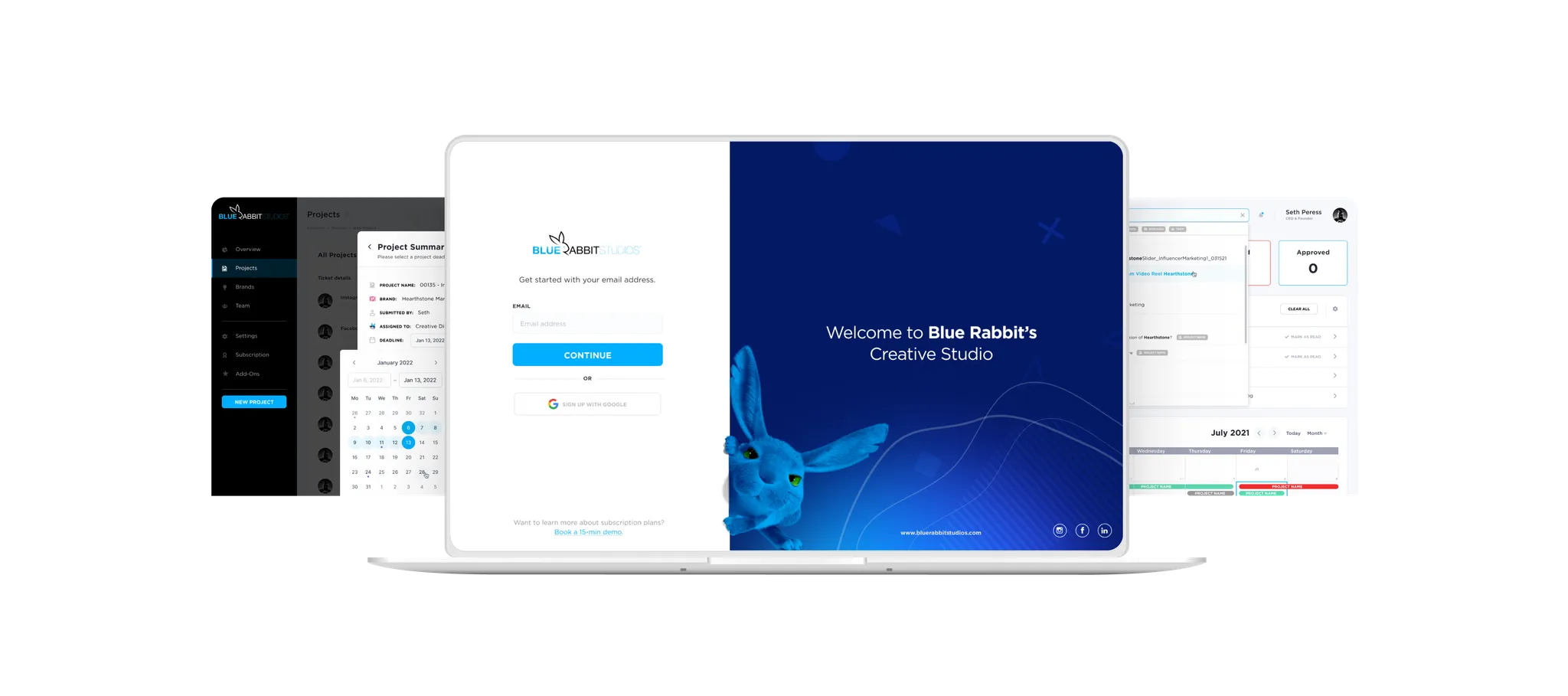
In my role as a Lead Product Designer, I undertook a comprehensive research and analysis of behavioral data to develop an interactive prototype for Creative Studio. The primary objective of this project was to enhance the company's return on investment (ROI) while simultaneously improving the user experience for both employees and customers.
To ensure the scalability of the design, I meticulously documented all processes and established a robust design system that serves as a foundation for future developments. I managed the entire project lifecycle, which encompassed conducting in-depth user research, creating user flows, journey maps, and wireframes, and leading user testing sessions to evaluate the platform's interaction and usability.
Through this structured approach, I was able to gather valuable insights that informed design decisions, ultimately resulting in a more intuitive and engaging user experience. The interactive prototype not only aimed to meet the immediate needs of users but also positioned Creative Studio for sustainable growth and enhanced operational efficiency.
To address these challenges, I initiated a comprehensive UX research and analysis phase. My primary objectives included:
Creative Studio faced significant challenges in its product strategy, particularly in the journey from concept to implementation for customers. The platform exhibited various usability issues that had not been adequately addressed by the development team, primarily due to multiple delays in the product backlog. Furthermore, the product backlog was misaligned with business priorities and requirements, leading to a disconnect between user needs and development efforts. The interface also failed to adhere to the brand's design system parameters, resulting in inconsistencies that undermined the user experience.
Additionally, the company lacked the necessary tools, skills, and data to conduct user research in a cost-effective manner, which further complicated efforts to enhance the platform's usability and overall effectiveness.
To address these challenges, I initiated a comprehensive examination of users, customers, and stakeholders, aligning business needs with a validated version of the Buyer Persona. This approach allowed me to gain a deeper understanding of their interests, concerns, needs, and goals.
I began by evaluating the platform's usability through a thorough analysis based on heuristics and accessibility principles. This evaluation revealed significant areas for improvement within the system. To validate these findings, I conducted a usability session with five customers, which provided direct insights into their experiences.
To document our findings, the team and I utilized heatmaps and user-recorded sessions through tools like Hotjar and Loom. This analysis uncovered that the initial stages of the user onboarding process were particularly problematic, causing confusion and pain points for users. These issues had a cascading effect on subsequent stages of the user flow, necessitating a redesign of critical components. The insights gathered were specifically related to the following areas:
Collaborating with representatives from all key areas of the organization—including product management, marketing and sales, product development, and design operations—we engaged in discussions to outline necessary changes and updates for product development. Together, we created a roadmap with objectives and key results (OKRs) divided into quarters to measure product success effectively.
Utilizing the Kanban system, we organized the product backlog in Jira, ensuring thorough documentation, task delegation, and sprint prioritization for stakeholders, the product owner, and the development team. Recognizing the need for improved cross-functional interaction among primary users, we decided to redesign the data architecture of the platform to optimize internal workflows related to file actions at scale, such as creating, editing, moving, and deleting design assets.
To enhance usability, we assigned metadata labels to files and folders, allowing users to visualize progress status within the platform and improving data queries through the Dropbox and Slack APIs. I also designed a search bar and revamped the breadcrumbs to address accessibility and usability issues effectively.
Building on previous research insights, I redesigned the onboarding and sign-up flows featuring the company’s main character, “Blu,” to foster better engagement with customers. Additionally, I restructured the project request flow to enhance accessibility and clarity for users.
By improving data visualization on the platform, we aimed to provide additional value to customers, enabling them to generate scalable reports for their clients or stakeholders related to project performance. To further increase revenue for the company, we proposed designing an upsell model for purchasing Add-Ons on the platform, allowing customers to access enhanced features and services tailored to their needs.
This comprehensive product strategy not only addresses the immediate usability challenges but also positions Creative Studio for sustainable growth and enhanced customer satisfaction.
Measuring success was a critical component of our strategy, as we aimed to quantify the time required to accomplish tasks and projects, comparing estimates with actual production times. We established time frames for each project, from concept to final delivery, and monitored employee performance to assess progress and prioritize efforts for every project and brand. By implementing behavioral and attitudinal metrics such as project completion, time efficiency, and customer satisfaction, we laid the groundwork for continuous improvement.
The Management Platform was successfully released as a Minimum Viable Product (MVP) in 2024, marking a significant milestone in our journey toward enhancing user experience and operational efficiency.